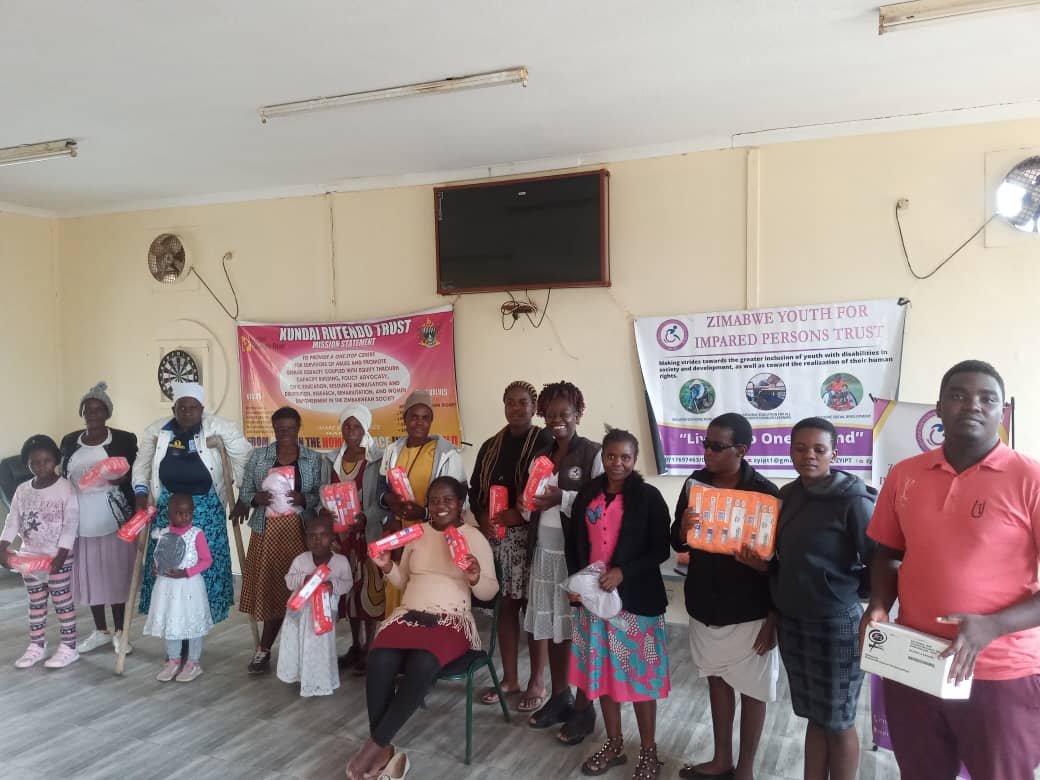
MUTARE — In the heart of communities everywhere, genuine conversation, shared smiles, and simple human connection are the threads that bind us together. Social skills training (SST) empowers persons with disabilities to weave those threads too, enriching lives with confidence, inclusion, and belonging—not through pity or charity, but through respect and capability.
1. The Power of Practice: What Social Skills Training Achieves
Individuals with developmental or intellectual disabilities often face challenges that go beyond physical barriers. Difficulties navigating conversations, understanding nonverbal cues, or building friendships can become constant sources of frustration and isolation. SST offers structured environments—through role-play, storytelling, peer interaction, and visual tools—designed to impart practical communication strategies and emotional understanding. These methods help learners initiate and sustain conversations, regulate emotions, and engage meaningfully with others (Prosocial Services, Verywell Mind).
2. Proven Impact: What the Research Tells Us
Studies across diverse contexts consistently affirm SST’s benefits:
- A classroom-based intervention for students with intellectual disabilities in Nigeria saw a 20% reduction in severe social impairment and a measurable increase in social skills within just eight weeks (PMC).
- In a U.S. randomized trial using the “Working at Gaining Employment Skills” (WAGES) program, youths with developmental disabilities demonstrated clear gains on the Social Skills Rating System scales (BioMed Central).
- A systematic review focusing on adolescents—primarily with autism spectrum disorder (ASD)—found that group social skills interventions (GSSIs) significantly improved social responsiveness and knowledge. However, findings on actual social participation were less conclusive, pointing to the need for broader inclusion in research (PubMed).
- Broader reviews show that SST, when combined with social cognition training or delivered in supportive, real-life settings, can enhance participation, self-concept, coping strategies, and community engagement (PMC, MDPI).
3. Confidence and Connections: Everyday Transformations
Beyond scores and studies, SST transforms lives through practical, emotional, and social gains:
- Individuals become more adept at navigating daily interactions—ordering at a café, asking questions in class, or joining social groups—with more poise and less anxiety (Prosocial Services, Brighton Launch).
- Group-based training fosters peer support, helping participants form authentic friendships and access broader social networks. This builds social capital—relationships built on trust and mutual understanding that extend into community life (MDPI).
4. Local Resonance: Zimbabwe’s Spirit of Support
While local documentation on SST in Mutare is limited, Zimbabwe’s established foundations reflect deep-rooted capacity in disability support. For instance, the Jairos Jiri Association—with decades of vocational and rehabilitation work—embodies institutional commitment to empowering persons with disabilities. Its legacy provides fertile ground for introducing SST into existing community-based programs (Wikipedia).
There are also parallels with other inclusive initiatives, such as Zimbabwe’s Friendship Bench model—where non-clinical, community-led support offers respect, empathy, and belonging. While not SST per se, its principles demonstrate the power of empathy, listening, and inclusion in building well-being (Wikipedia).
5. Toward Inclusive Futures: Practical Recommendations
- Start within schools and community centers: Introduce SST modules—using role-play, video modeling, or peer learning—into everyday spaces where youth with disabilities already gather.
- Empower educators and caregivers: Train teachers, therapists, and parents to deliver SST using simple, accessible methods such as storytelling, social stories, prompts, and repeated practice.
- Create group-based social skills circles: Peer-led or guided groups can offer safe, structured environments to practice conversational turns, emotional recognition, and relationship-building.
- Bridge to community: Connect SST participants with broader inclusive social or vocational programs—leveraging platforms like Jairos Jiri—to translate practiced skills into daily life.
- Anchor in evidence and evaluation: Adapt curricula based on proven models and measure change through observations of confidence, social interaction, and community engagement over time.
Summary: Social skills training equips individuals with disabilities not merely to speak or listen—but to belong. With thoughtful design and community collaboration, these programs yield growing confidence, lasting relationships, and richer, more inclusive communities.