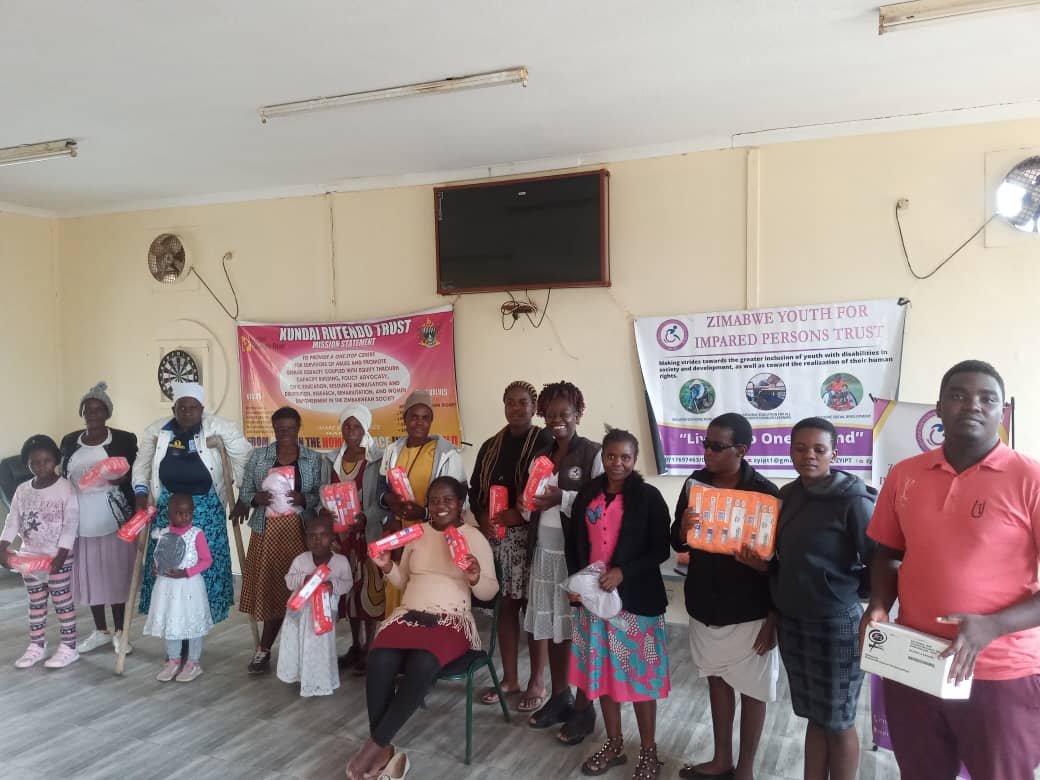
MUTARE — In the bustling streets and quieter corners of Mutare, a segment of youth moves unseen, their potential tempered not by ambition but by systemic and social barriers. They are the young people living with disabilities, navigating a world not designed with them in mind. Their challenge is not rooted in blame, but in gaps that urgently need consideration.
1. Infrastructure That Isn’t Accessible
Many public spaces, schools, clinics, and transport services in Mutare lack basic accommodations—ramps, accessible toilets, or clear signage—to support mobility-impaired youths. This isn’t necessarily due to neglect, but rather a historic oversight in planning that often fails to include accessibility standards (hopeforzimbabwechildren.org, NewsDay Zimbabwe).
2. Education in Theory, Not Always in Practice
Although Zimbabwe introduced inclusive education policies, implementation remains uneven. In many classrooms, students with disabilities learn alongside peers without adequate support. Teachers rarely have the training or resources—Braille materials, sign language skills, or individualized plans—to meet diverse needs, and dropout rates reflect these shortcomings (Wikipedia). For students with intellectual disabilities, the mismatch between their learning needs and standard curricula can be especially severe, limiting academic and vocational outcomes (RSIS International).
3. Limited Access to Health and Mobility Supports
Rehabilitation therapies, assistive devices, and specialized healthcare remain scarce, especially beyond the city center. Many families turn to traditional healers—not out of choice but due to lack of information or access to formal services (UNICEF, hopeforzimbabwechildren.org). The result: evolving health needs remain unmet, reinforcing long-term disadvantage.
4. Stigma and Social Isolation
Cultural beliefs often frame disability through lenses of misfortune or misrepresentation. Misunderstanding and stigma can drive families to withdraw young people from social and educational spaces, not out of intent to exclude, but from fear or a sense of helplessness (UNICEF, hopeforzimbabwechildren.org). This isolation compounds the challenges they face, creating emotional and developmental hardships.
5. Economic Pressures on Families
Caring for a youth with disabilities imposes real costs—healthcare, transport, specialized equipment, and caregiving—that can heavily strain household finances. In turn, families may reduce working hours or stop working altogether, heightening economic vulnerability (Wikipedia). With few youth entering formal employment—statistics suggest only around 2% of persons with disabilities work in the public sector and less than 7% are employed overall—economic inclusion remains elusive (NewsDay Zimbabwe, Friedrich Naumann Foundation).
6. Gaps Between Policy and Everyday Reality
Zimbabwe’s legal framework—such as the Disabled Persons Act and ratification of UN conventions—lays a solid foundation. Yet many youths remain unaware of these rights, and local-level application remains inconsistent (MDPI, hopeforzimbabwechildren.org). For meaningful change, awareness campaigns and inclusive policy dialogue with youth need elevation.
Looking Ahead: Solutions With Dignity
- Collaborative Infrastructure Improvement: Retrofitting buildings and public services with accessible designs—ramps, functional pathways, inclusive restrooms—should be approached through community engagement and urban planning that centers accessibility.
- Empowering Inclusive Education: Equipping schools with trained educators, adaptive resources, and inclusive curricula—especially important for intellectual disabilities—can ensure all students complete their education and prepare for the future.
- Expanding Healthcare and Assistive Support: Establishing localized rehabilitation services, mobile clinics, and equitable access to assistive devices can bridge gaps in care.
- Shifting Attitudes Through Awareness: Community-driven dialogues, peer programs, and inclusive advocacy can foster understanding and normalize disability in social life—an approach rooted in empathy rather than blame.
- Easing Economic Strain: Programs offering vocational training, entrepreneurship support, and social assistance can lift families toward resilience and empower youth to contribute meaningfully to their communities.
- Inclusive Policy Engagement: Inviting disabled youth to participate in local forums and planning ensures their voices shape decisions affecting their lives—reinforcing representation, not exclusion.